

As a small home-based business owner, building a strong brand is key to your success. Brand awareness helps you build customer loyalty, stand out from others, and grow. We’ll look at strategies and best practices to boost your brand awareness.
Key Takeaways
- Understand the importance of brand awareness for small home businesses
- Define your target audience and their pain points
- Craft a unique value proposition that sets you apart
- Develop a consistent brand identity across all touchpoints
- Leverage social media and content marketing to reach your audience
Understanding Brand Awareness
In the world of small home businesses, knowing your brand is key. Brand awareness is how well people know, remember, and interact with your brand. It’s the foundation for a strong, lasting impression on your customers.
What is Brand Awareness?
Brand awareness shows how well people know your brand, products, or services. It’s about being recognized and remembered when needed. This includes both knowing your brand and recalling it when shopping.
Why is Brand Awareness Important?
Brand awareness is vital for small home businesses. It builds trust, credibility, and loyalty. This leads to more customer engagement and sales. Familiar brands are often the first choice, giving you an edge.
Key Metrics to Measure Brand Awareness
- Brand Recognition: How many of your target audience can spot your brand by logo, name, or visuals.
- Brand Recall: How well your audience remembers your brand when asked about a product or need.
- Customer Engagement: How much people interact with your brand, like website visits, social media, and reviews.
Tracking these metrics helps you see how well your brand is doing. You can then make smart choices to boost your brand’s presence and impact.
Defining Your Target Audience
To make your small home business known, start by knowing your audience well. Find out who your best customers are and what they struggle with. This way, you can make marketing that speaks to them and gets them involved.
Identifying Your Ideal Customer
First, figure out who your audience is. Think about their age, gender, where they live, how much they make, what they like, and how they use the internet. Create detailed profiles of your perfect customer to understand their needs and likes.
Analyzing Customer Pain Points
It’s key to know what problems your customers face. Do research, listen to what they say, and watch trends to find out what you can fix. This makes your brand a go-to for solutions.
Segmenting Your Audience for Better Impact
- Split your audience into smaller groups based on shared traits, actions, and needs.
- Make your marketing fit each group, so it speaks to their specific issues and likes.
- Keep checking and changing your audience groups as your business and customers grow.
| Customer Segment | Pain Points | Preferred Marketing Channels |
|---|---|---|
| Busy Professionals | Limited time for home organization, seeking convenient solutions | Social media, email marketing, video content |
| Young Families | Seeking affordable, family-friendly home goods and decor | Influencer marketing, social media, community events |
| DIY Enthuasiasts | Wanting unique, customizable home products and tips | Tutorials, blogs, online forums, social media |
By really getting to know your target audience, figuring out their customer pain points, and segmenting your audience well, you can craft a brand strategy that connects with your customers. This leads to real engagement.

Crafting Your Unique Value Proposition
In today’s competitive business world, having a strong unique value proposition is key for small home businesses. Your unique value proposition is what makes you stand out and connects with your customers. To create a great unique value proposition, focus on three main things: knowing what makes you unique, clearly sharing your value, and matching your offerings with what your customers need.
What Sets You Apart?
To start, figure out what makes your business special. This could be your unique skills, new products or services, top-notch customer service, or a compelling brand story. Take time to think about what sets you apart from others. By showing off your strengths, you’ll attract the right audience and show your brand differentiation.
Communicating Value Clearly
After finding your unique selling points, it’s time to share your customer value clearly. Your value proposition should be short, easy to get, and show the benefits your customers will get. Use simple language that talks directly to their needs and problems. Stay away from hard-to-understand terms and focus on the real value you offer.
Aligning Value with Customer Needs
The best unique value propositions match what your target customers need and want. By really getting to know your audience and their challenges, you can make your offerings and messages more relevant. This connection between your unique value proposition and your customers’ needs will boost engagement, loyalty, and growth for your small home business.
Creating a strong and unique unique value proposition is vital for small home businesses to shine in a busy market. By highlighting your strengths, sharing your value clearly, and meeting customer needs, you’ll craft a compelling value proposition. This will attract your target audience and help your brand grow over time.
Creating a Strong Brand Identity
Building a strong brand identity is key for small home businesses to shine in a busy market. Your brand identity includes your logo, colors, and fonts. It also covers your brand’s personality and voice. A strong brand identity helps you stand out and connect with your audience.
Designing a Memorable Logo
Your logo is your brand’s first impression. It should be eye-catching, easy to remember, and show what your business is about. Use simple shapes, relevant symbols, and make sure it looks good everywhere, like on your website and social media.
Choosing Brand Colors and Fonts
The colors and fonts you pick can greatly affect how people see your business. Choose colors that match your brand’s mood and personality. Pick fonts that look good and are easy to read everywhere. Keeping your brand’s look the same in all your materials is important.
Developing a Consistent Brand Voice
Your brand’s voice is how you talk and write. It should be real, consistent, and match your brand’s values and audience. Create rules for your brand voice, like tone and language, to keep things consistent for your customers.
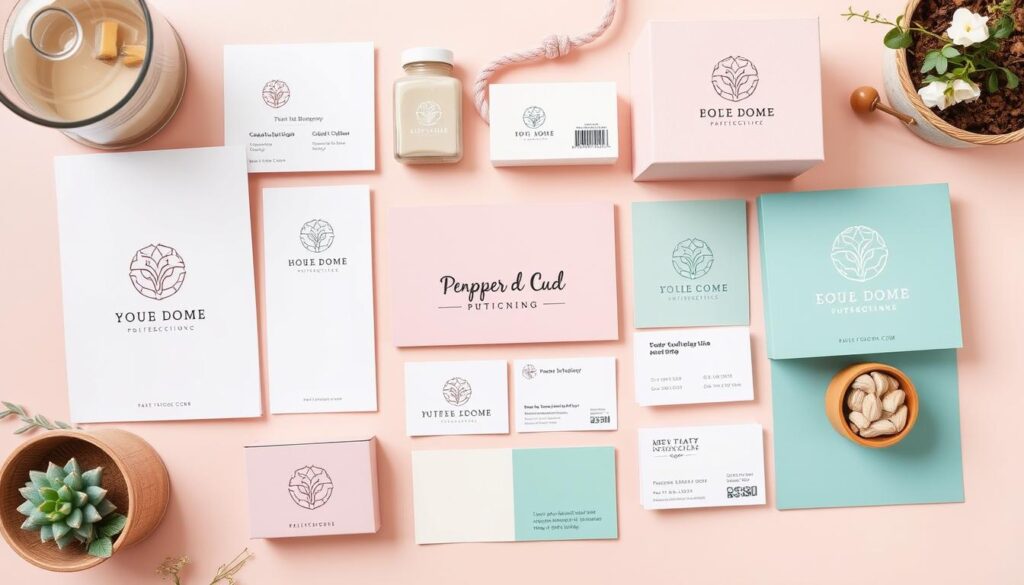
By focusing on these key parts of your brand identity, you can make a strong, memorable brand. This helps your small home business stand out and connect with your audience.
Utilizing Social Media Platforms
Social media is key for small home businesses to grow. It helps them reach more people and connect with their audience. By using different social media platforms wisely, you can make your brand known online.
Choosing the Right Platforms for Your Business
First, pick the social media platforms that fit your business and audience. Sites like Facebook, Instagram, Twitter, and LinkedIn are popular for different reasons. Think about what your brand needs and what your customers like to find out which platforms work best for you.
Creating Engaging Content
After choosing your platforms, focus on making content that people will like. Mix up your posts with interesting, fun, and pretty stuff. Use photos, videos, and live streams to grab your followers’ attention and make them more involved with your brand.
Leveraging Social Media Advertising
Don’t forget about paid ads on social media. These platforms let you target your ads well and see how they do. With smart ad spending, you can get more people to see your brand, visit your website, and find out more about your business.
| Social Media Platform | Key Features | Ideal for |
|---|---|---|
|
|
|
|
|
|
|
|
By using social media smartly, small home businesses can grow. They can get more people to know about them, connect with their audience, and help their business grow.

Building Your Website for Brand Visibility
Your website is key for your digital presence as a small home business. It’s vital for building your brand’s awareness. A user-friendly, SEO-optimized site can boost your online presence and draw in your target audience.
Essentials of a User-Friendly Design
Focus on a clean, easy-to-use layout. Make sure your site works well on mobile devices, as many people browse online on their phones. Fast page loads are also important to keep users interested and reduce bounce rates.
Search Engine Optimization Tips
- Do thorough keyword research to find out what people search for when looking for businesses like yours.
- Use these keywords naturally in your content, like page titles, meta descriptions, and header tags.
- Work on your site’s technical aspects, like URL structure, image alt text, and internal linking, to get better search rankings.
Creating Quality Content for Your Audience
Create a content strategy that speaks to your audience. Write informative blog posts, how-to guides, and industry insights to show your brand’s expertise. Keep your site fresh with new content to keep visitors coming back and improve your search rankings.
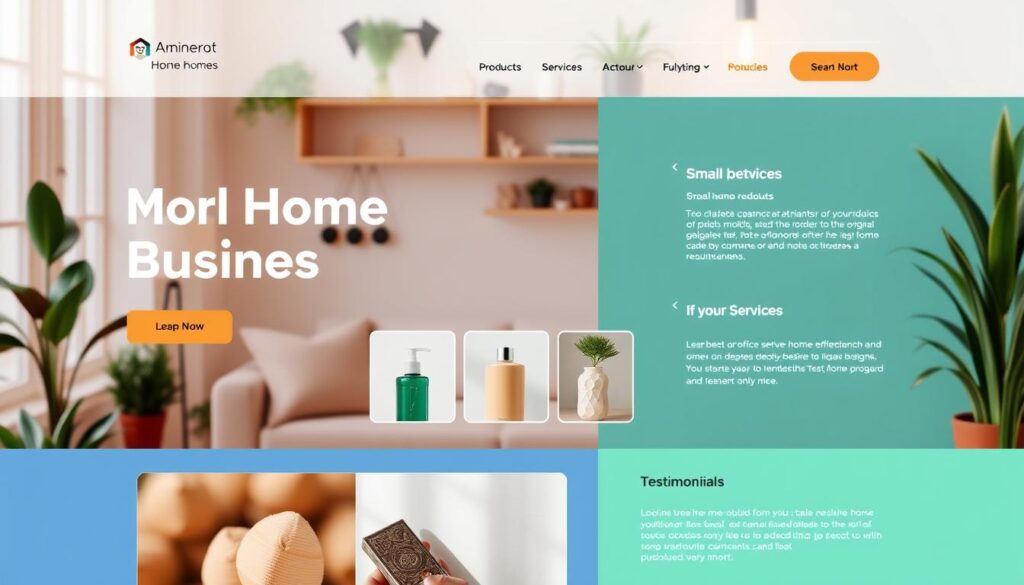
By focusing on design, SEO, and quality content, you can make a website that showcases your brand well. A well-designed and optimized site is a powerful tool for small home businesses to grow their brand and connect with their audience.
Networking in Your Community
Building a strong brand for your small home business is more than just a logo and website. It’s about being seen and connected in your local area. By using local events, teaming up with other businesses, and joining community projects, you can grow your local networking, community engagement, and business partnerships.
Leveraging Local Events and Markets
Join in on community events, local markets, and festivals to shine a light on your brand. These spots are great for meeting new customers, showing off what you offer, and making friends with other small business owners. Think about setting up a booth, sponsoring an event, or helping out with the planning.
Partnering with Other Local Businesses
Working together with other small businesses in your area can help everyone. Look for chances to promote each other, host joint events, or offer things that go well together. By teaming up with respected local businesses, you can reach new people and grow your standing in the community.
Engaging in Community Initiatives
Join in on local projects like charity drives, cleanups, or educational events. This not only helps your community but also shows your brand’s heart and values. Get involved and encourage your team to do the same. It’s a great way to build a strong community bond and make your brand more visible.
By using these methods for local networking, community engagement, and business partnerships, you can make your small home business well-known and respected in your area.
Implementing Content Marketing Strategies
In today’s digital world, content marketing is key for growing your brand. It helps your small home business stand out in your field. By using content marketing, blogging, video marketing, and guest posting, you can connect with your audience. This boosts your brand’s visibility and trustworthiness.
Blogging for Brand Awareness
Keeping a blog up to date is a smart move. It shows your expertise and connects with your audience. It also brings more visitors to your site. Writing valuable and engaging posts can make your brand known and attract customers.
- Find topics that interest your audience and solve their problems.
- Post regularly with content that’s useful and fun to read.
- Make sure your blog posts are easy to find online.
Utilizing Video Marketing
Video content is now a big deal in content marketing. With video marketing, you can make content that grabs attention and shows your brand’s personality.
- Make videos that teach, entertain, or show off your products.
- Share your videos on YouTube, social media, and your site.
- Get viewers to interact with your brand by asking for feedback.
Guest Posting on Relevant Blogs
Guest posting on blogs in your field can grow your brand. It builds trust and attracts new customers. By sharing valuable content on other sites, you reach new people and show your expertise.
| Benefits of Guest Posting | Tips for Successful Guest Posting |
|---|---|
|
|
Using a mix of content marketing strategies like blogging, video marketing, and guest posting can help your small home business. It builds awareness, drives traffic, and makes your business a trusted voice in your industry.
Harnessing the Power of Email Marketing
Email marketing is a strong tool for small home businesses to grow. It helps build brand awareness by reaching and connecting with your audience. This strengthens your brand’s presence.
Building a Targeted Email List
Starting with a targeted email list is key. Offer valuable content like discounts or newsletters to get email addresses. Also, ask social media followers and customers to join your list.
Crafting Compelling Email Campaigns
- Develop a unique brand voice and look to stand out in emails.
- Write catchy subject lines to grab attention and get opens.
- Share content that educates, entertains, or offers special insights.
- Include clear calls-to-action to guide your audience to your website or social media.
Analyzing Email Marketing Metrics
It’s important to track and analyze your email marketing metrics. Look at open rates, click-through rates, unsubscribe rates, and conversion rates. This helps you see what works and where to improve.
| Metric | Definition | Benchmark |
|---|---|---|
| Open Rate | The percentage of subscribers who open your emails | 15-25% |
| Click-Through Rate (CTR) | The percentage of subscribers who click on a link within your emails | 2-5% |
| Unsubscribe Rate | The percentage of subscribers who opt-out of your email list | 0.5-2% |
| Conversion Rate | The percentage of subscribers who take a desired action, such as making a purchase | Varies by industry |
By using email marketing, you can boost brand awareness, engage your audience, and drive actions that help your business grow.
Encouraging Customer Reviews and Testimonials
In today’s world, customer reviews and testimonials are key for small home businesses. They help build brand awareness and credibility. Positive feedback from happy customers can sway others to buy, boosting sales and growth. By sharing good feedback, you can show your brand’s strength.
How to Request Reviews
To get more customer reviews, start by asking your customers for them. Use emails, signs, or small rewards to encourage feedback. This makes it easier for customers to share their thoughts.
Showcasing Positive Feedback
After you get lots of great reviews, make sure to share them. Put them on your website, social media, and marketing materials. This builds trust and shows what you offer is valuable.
Responding to Customer Reviews
It’s important to reply to all reviews, good or bad. Say thank you for the positive ones and listen to feedback for improvement. This shows you care about your customers and want to do better.
| Strategies for Encouraging Customer Reviews | Benefits of Showcasing Positive Feedback |
|---|---|
|
|
Using customer reviews, testimonials, and customer feedback can really help small home businesses grow. By asking for, sharing, and responding to feedback, you show your brand is reliable and trustworthy.
Understanding the Role of Influencer Marketing
In the world of digital marketing, influencer marketing is a big deal for small home businesses. It helps them get noticed by more people. By working with influencers, you can tap into their followers and boost your brand’s image.
Choosing the Right Influencers
Finding the right influencers is key to a successful brand collaboration. Look for people who share your values and talk to your target audience. Make sure they have a good track record of engagement and their content fits your brand.
Building Relationships with Influencers
Building strong bonds with influencers is vital for great influencer marketing campaigns. Give them something special, like early access to your products. Work together on content that their followers will love. Keep the lines of communication open and be quick to respond to their needs.
Measuring the Impact of Influencer Campaigns
It’s important to measure how well your influencer marketing campaigns are doing. Look at metrics like reach, engagement, website traffic, and sales. This helps you see how your brand is growing and where you can improve.
| Metric | Description | Importance |
|---|---|---|
| Reach | The number of people exposed to your influencer’s content | Helps measure the possible audience for your brand |
| Engagement | The level of interaction (likes, comments, shares) with the influencer’s content | Shows how interested your audience is in your brand |
| Website Traffic | The number of visitors referred to your website from the influencer’s content | Shows if the influencer is bringing people to your site |
| Conversions | The number of visitors who take a desired action, such as making a purchase | Shows the direct effect of the influencer campaign on your business |
By understanding influencer marketing, picking the right influencers, and watching your campaign measurement metrics, small home businesses can grow their brand and achieve real results.
Evaluating Your Brand Awareness Strategies
Keeping your small home business brand strong is a constant task. It needs regular checks and tweaks. By looking at important metrics, listening to what customers say, and planning for the future, you can keep your marketing fresh and engaging.
Analyzing Key Performance Indicators
Watch metrics like website visits, social media likes, email opens, and new leads. These show how well your brand strategies work. By checking these often, you can spot what’s working and what needs work. This helps you make smart choices to boost your brand’s visibility.
Making Adjustments Based on Feedback
It’s key to know what your customers want and like. Look for feedback through surveys, social media, or direct talks. This feedback helps you tweak your brand’s message, content, and marketing. It keeps your strategies in line with what your customers expect and want.
Long-Term Brand Awareness Planning
Building a strong brand takes time and a solid plan. Create a detailed plan with your goals, who you’re aiming for, your key messages, and how you’ll reach them. Update this plan often to stay on track with market changes and new chances. This keeps your brand top of mind for your audience.

Leave a Reply