

As a home business owner, making sure you get paid on time is key. Manual invoicing can take up a lot of time and often has mistakes. This can cause delays in getting paid by clients.
But, using the right invoicing software can change everything. It makes sure you get paid quickly and keeps your business running smoothly. Automated invoicing saves you time, cuts down on mistakes, and lets you focus on growing your business.
Key Takeaways
- Automated invoice processing systems can reduce errors and cost savings for home businesses.
- Efficient invoice processing systems can reduce the overall processing time, allowing faster payments.
- Clear communication with clients on invoicing procedures and payment terms is essential for expedited payment processing.
- Integrating automated invoice processing with accounting software can streamline financial reporting and reconciliation.
- Implementing strategies for clearer invoicing processes can lead to up to a 30% increase in prompt payments.
Understanding the Importance of Timely Invoicing
As a small business owner, you know how vital timely invoicing is. It keeps your cash flow healthy and helps your business grow. If payments are late, it can hurt your accounts receivable, cash flow management, and overall finances. This puts your small business finance at risk.
Why Fast Payments Matter
In the small business world, cash is everything. A U.S. Bank study found that 82% of small business failures are due to cash flow problems. Slow payments can hurt your costs, employee pay, and chances for growth.
The Impact on Cash Flow
Keeping your cash flow healthy is key. Bad or late invoices can cause customer issues and harm your business relationships. Also, mistakes in old invoicing systems can mess up your profits and reputation.
Common Invoicing Challenges
- 61% of delays in service businesses are due to avoidable invoicing mistakes.
- Limited visibility and tracking in traditional invoicing methods hinder financial monitoring and decision-making.
- Inefficient resource allocation in manual invoicing results in wasted time and lower productivity.
- Compliance and audit challenges are prevalent in traditional invoicing, risking legal issues and financial penalties.
By tackling these invoicing problems, you can make your business’s finances stronger. This sets it up for success in the long run.
Key Elements of Effective Invoices
Making professional invoices is key for a home business to thrive. Knowing what makes an invoice stand out can help you get paid faster. Let’s look at the important parts of an invoice that can really help.
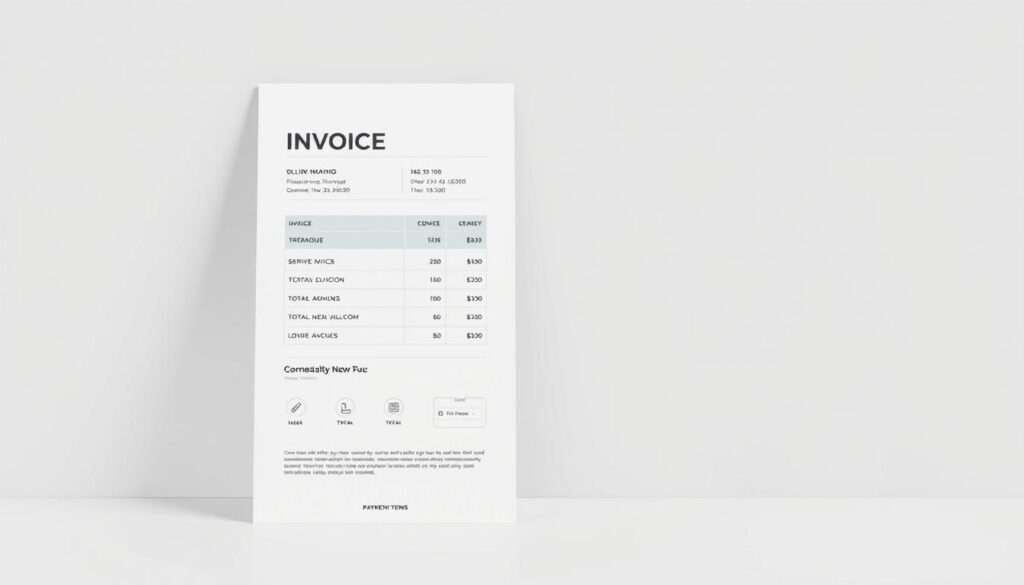
Essential Invoice Components
An effective invoice should have these main parts:
- Your business details: company name, address, and contact info
- Client information: name, address, and contact details
- A unique invoice number for tracking and record-keeping
- Detailed itemization of the goods or services provided
- Accurate pricing, including taxes and any applicable fees
- The total amount due and clear payment terms, such as the due date
- Accepted payment methods, including options like credit cards, online payments, and bank transfers
- Any relevant transaction terms, such as late payment penalties or early payment discounts
Design Matters for Better Engagement
The design of your invoice also plays a big role. A professional-looking invoice shows your brand’s credibility and encourages timely payment. Here are some design tips:
- Consistent branding: Use your business’s logo, colors, and visual identity to create a cohesive and recognizable invoice
- Clear layout and organization: Organize the information in a logical and easy-to-read format, making it simple for your clients to understand and process
- Personalization: Add a personal touch, such as a thank-you message or a note acknowledging your appreciation for their business
- Attention to detail: Ensure that your invoice is free of spelling and grammatical errors, conveying attention to detail and professionalism
By focusing on both the essential components and the design of your invoices, you can create a seamless and effective invoicing process. This streamlines your cash flow and strengthens your client relationships.
Choosing the Right Invoicing Software
As a home business owner, picking the right invoicing software is key. It helps you manage your billing and get paid on time. With more people wanting to pay online, the right software can make a big difference.
Popular Options for Home Businesses
Home businesses often choose FreshBooks, Zoho Invoice, or QuickBooks Online. These tools offer features like custom invoices and automatic billing. They also work well with other business tools like accounting and CRM software.
Features to Look For
- Customizable invoice templates to enhance your branding and professionalism
- Recurring invoicing capabilities to automate the billing process for repeat clients
- Payment reminders and late payment notifications to keep your clients on track
- Integration with other business software, such as accounting or project management tools, to streamline your workflows
- Robust reporting and analytics to help you track payment trends and optimize your invoicing practices
When looking at invoicing software, think about cost, ease of use, and how it will grow with your business. The right software can boost your cash flow and make your business more efficient and happy clients.
| Invoicing Software | Key Features | Pricing |
|---|---|---|
| FreshBooks |
|
|
| Zoho Invoice |
|
|
| QuickBooks Online |
|
|
Automating Your Invoicing Process
Streamlining your invoicing workflow can greatly improve your home business’s efficiency and cash flow. Automated invoice processing saves time, cuts down on errors, and speeds up payments.
Benefits of Automation
Automating your invoicing brings many benefits:
- Faster payments: Automated workflows speed up the approval and payment process, ensuring bills are paid on time.
- Improved accuracy: Advanced data capture and validation technologies cut down manual errors by up to 10 times.
- Enhanced visibility: Real-time dashboards offer a central view of outstanding invoices, cash flow, and payment trends.
- Streamlined reconciliation: Seamless integration with accounting systems makes financial reporting and reconciliation easier.
Software Recommendations
Two top choices for invoice automation, payment processing, and online invoicing in home businesses are:
- FreshBooks – This easy-to-use platform offers automated late payment reminders, online payments, and time tracking, ideal for small businesses.
- QuickBooks Online – As a full accounting solution, QuickBooks Online integrates well with your financial systems. It offers strong invoicing, billing, and reporting features.
Using an automated invoicing system can greatly enhance your business’s efficiency, cash flow, and financial health. By embracing invoice automation, you can save time and resources. This lets you focus more on growing your home-based business.
Creating Professional and Clear Invoices
Making professional and clear invoices is key for your home business. An invoice that’s easy to understand and looks good can help get payments on time. Focus on making it clear and adding your brand to leave a good impression and make payments easier.
Tips for Clarity and Readability
To make your invoices clear and easy to read, follow these tips:
- Choose a clean, professional font that’s big enough to read easily.
- Clearly list all products or services, with detailed descriptions and amounts.
- Break down the total cost with line-item pricing and any taxes or fees.
- Include a due date and how to pay, like accepted payment methods.
- Stay away from jargon and use simple, clear language in your invoice.
Branding Your Invoices
Adding your brand to invoices can make your business look more professional. Here are ways to brand your invoice templates:
- Put your business logo front and center, making it clear and big.
- Use your brand’s colors, fonts, and design to make it look consistent.
- Make the invoice layout and design match your brand and marketing.
- Add a personal touch, like a thank-you or your contact info, to build a good client relationship.
By making professional invoices that are clear and show your brand, you can make payments better for your clients. This can lead to faster and more reliable payments for your home business.
Implementing Follow-Up Strategies
Following up regularly is key to getting payments on time from clients. Use automated payment reminders for overdue invoices to make things easier. Writing polite yet firm reminder messages can help clients pay their bills faster.
When and How to Follow Up
How often and when you follow up matters a lot. Set a regular schedule for reminders, like sending the first notice a few days late. Then, send more reminders at set times. This keeps things professional and shows you value timely payments.
Crafting Effective Reminder Messages
Keep your reminder messages professional and friendly. Clearly state what’s owed, the original due date, and how to pay. You might offer discounts for early payment or late fees for late payments. Automating these reminders saves time and keeps your accounts receivable in order, helping with late payment prevention.
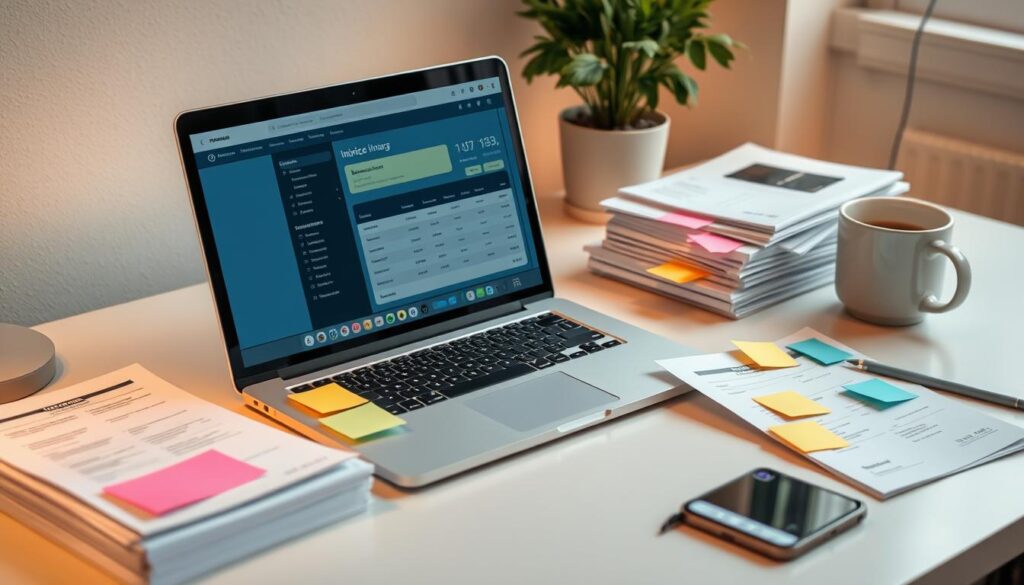
Using invoicing software to automate follow-ups cuts down on work. It ensures your payment reminders go out on time. This boosts your cash flow, keeps business relationships strong, and lets you focus on other key parts of your business.
Setting Clear Payment Terms
As a small business owner, it’s key to have clear payment terms. This helps keep your cash flow healthy and ensures customers pay on time. Good billing practices and clear communication can greatly improve your payment terms.
Defining Your Payment Policies
First, decide on your payment deadlines and methods. You might choose “Net 30” or “Net 60” terms. Some businesses even go for “Net 7” or “Net 15” to get payments sooner. Think about giving discounts for early payments to encourage quick payments.
Communicating Terms Effectively
Make sure your payment terms are clear on invoices and contracts. The details should be easy to see and understand. Offer different payment options like online or mobile payments to make it easy for customers.
Clear payment terms help manage your cash flow better. They also make your financial situation more stable. Keeping on top of payment terms is key to successful small business finance.
| Payment Term | Description | Advantages |
|---|---|---|
| Net 30 | Customers have 30 days to pay the invoice after the issue date. | Commonly used term that provides a balance between cash flow and customer flexibility. |
| Net 15 | Customers have 15 days to pay the invoice after the issue date. | Encourages faster payments, but may be less attractive to some customers. |
| Due on Receipt | Payment is due immediately upon receipt of the invoice. | Provides the quickest cash flow, but may be less appealing to customers. |
| Milestone Payments | Payments are divided into stages based on project milestones. | Helps manage cash flow and risk for larger projects or ongoing work. |
Finding the right payment terms is all about balance. It’s about what your business needs and what your customers want. Try out different options to find what works best for your home business.
Offering Payment Incentives
As a home business owner, you can use payment incentives to get clients to pay faster. These incentives help manage your cash flow and build better customer relationships. They make billing more flexible.
Early Payment Discounts
Offering early payment discounts is a smart move. Give a 2% discount on the total invoice if paid within 10 days. This encourages clients to pay quickly, boosting your payment incentives and cash flow management.
Flexible Payment Options
Flexible payment options also help with timely billing practices. Let clients pay in installments or through different methods like credit cards or bank transfers. This makes paying easier for them and increases the chance of on-time payments.
It’s important to find a balance that benefits both you and your clients. With these strategies, you can improve your payment incentives, manage your cash flow better, and build stronger customer relationships.
Tracking Invoice Status and Payments
Keeping track of payment tracking is key for managing your accounts receivable and cash flow in your home business. Use the tools in your invoicing software to watch your invoices and understand payment trends. This helps you improve your strategies.
Tools for Monitoring Payments
Choose invoicing software with strong features for tracking invoices, overdue amounts, and business performance. Look for automated payment reminders, client portals, and detailed reports. These tools make managing invoices easier and help you keep up with your accounts receivable.
Analyzing Payment Trends
Reviewing payment data regularly can help spot recurring problems. It guides you in making better decisions about invoicing and collections. Look at average payment times, late payments, and customer patterns to improve payment tracking and cash flow management.
- Send automated reminders to clients before and after due dates for unpaid invoices.
- Use the same invoice template to speed up data entry and make it easier for clients.
- Set clear payment terms upfront to avoid confusion and delays later.
- Keep records of all payment-related talks to solve disputes and track late payments.
With the right tools and by watching your payment data, you can ensure timely payments. This keeps your cash flow healthy and makes your invoicing process smoother.
Learning from Payment Delays
Managing late or missed payments is a big challenge for small business owners. It can hurt your cash flow and financial stability. By looking into why payments are delayed, you can fix your invoicing and make payments smoother.
Identifying Common Issues
Several issues can cause payment delays. These include:
- Unclear or incomplete invoice details, such as missing invoice numbers, due dates, or payment installment information
- Incorrect client contact information or payment details on the invoice
- Ineffective follow-up strategies, such as sporadic or unclear payment reminders
Adjusting Your Processes
To fix these problems and improve payment processing, make these changes:
- Make sure your invoices are clear and have all the details clients need to pay on time.
- Use a consistent follow-up plan, like automated emails or regular calls, to keep clients on track.
- Use invoice tracking software to keep an eye on payments, create aging reports, and link with your accounting.
- Ask your clients for feedback on your invoicing and use their ideas to make it better.
By tackling common invoicing problems and tweaking your process, you can cut down on payment delays. This will help strengthen your client relationships and keep your cash flow steady.
| Invoicing Challenge | Recommended Solution |
|---|---|
| Unclear or incomplete invoice details | Create a standardized invoice template with all necessary information |
| Incorrect client contact or payment details | Establish a client information verification process before invoicing |
| Ineffective follow-up strategies | Implement automated email reminders and follow-up calls |
Keep learning from your payment experiences and tweak your invoicing. This will lead to better payment processing, less late payment prevention, and a stronger small business finance system.
Continually Improving Your Invoicing Process
Improving your invoicing is key to a smooth-running home business. Always check and update your invoicing to keep it efficient and effective. Listen to your clients and keep up with invoice automation and small business finance trends. This way, you can always make your invoicing better for your business.
Gathering Feedback from Clients
Talk to your clients about their invoicing experience. Ask them about the clarity of your invoices and how easy it is to pay. Their feedback can help you improve and make your clients happier, leading to faster payments.
Staying Updated with Industry Trends
Keep up with the latest in invoice automation and small business finance. Look into new technologies or methods to make your invoicing better. This will help you stay ahead and keep your invoicing system working well for your business.

Leave a Reply