

As a rural home business owner, it’s key to understand zoning laws. These laws guide how land is used in a town, dividing it into different zones. For home businesses, knowing and following these rules is important. They help keep your neighborhood peaceful and its character intact.
Learning about rural zoning laws helps you use your property well. It also keeps your business safe and in line with what the community wants. Whether you’re starting or growing your business, knowing these rules is vital. It helps you use your property to its fullest and avoids legal problems later.
Key Takeaways
- Zoning laws are very important for rural home businesses. They decide what you can do and how you can use your property.
- It’s essential for home business owners to know the residential zoning codes. This way, they can follow the law and keep the community happy.
- Learning about zoning terms and rules can help you find chances and solve problems in your business.
- Doing your homework, working with local officials, and planning ahead are key to succeed in zoning.
- Adjusting your business plan to fit zoning rules can open up new chances and help your business last long.
Understanding Zoning Laws in Rural Areas
Exploring rural zoning laws can seem daunting, but it’s vital for those starting or growing a home business. These laws help manage land use, support farming, and protect natural resources. They also keep the area’s rural feel intact.
What Are Zoning Laws?
Zoning laws set rules for land use in certain areas. They divide land into zones like residential, agricultural, and commercial. Each zone has its own rules for what can be done and how big it can be.
Why Do Zoning Laws Matter?
Knowing about rural zoning laws is key to matching your business goals with local rules. These laws affect what you can do, how big your business can be, and what permits you need. Following these laws helps avoid fines and ensures your business thrives.
Key Terms to Know
- Rural zoning regulations: Laws that govern land use and development in rural areas, often focusing on farming and low-density homes.
- Home occupation licenses: Permits needed for running a business from home, making sure you follow local zoning rules.
- Zoning exemptions for farms: Special rules for farms, allowing certain activities or structures not allowed in other rural zones.
“Understanding rural zoning regulations is the key to navigating the legal landscape for your home-based business in a rural area.”
Types of Zoning Regulations You May Encounter
When starting a rural home business, knowing about zoning laws is key. These laws can affect how well your business does. It’s important to learn about the main types.
Agricultural Zoning
Agricultural zoning, or “Ag Zoning,” helps keep rural areas for farming. It limits non-farm buildings and requires a part of the land for farming. Building projects must follow rules on density, distance from property lines, and what can be grown or raised.
Residential Zoning
Residential zoning in rural areas is different from cities. It allows homes, apartments, and even some businesses to be built. Knowing what’s allowed in your area is vital for planning your business.
Commercial Zoning
Commercial zoning in rural areas has its own rules. These rules help keep the area’s character and balance growth with nature. Allowed businesses include offices, shops, hotels, and restaurants, but what’s allowed varies by place.
Understanding agricultural zoning laws, residential zoning restrictions, and commercial zoning in rural areas is essential. It helps your business fit local rules and avoid problems later.
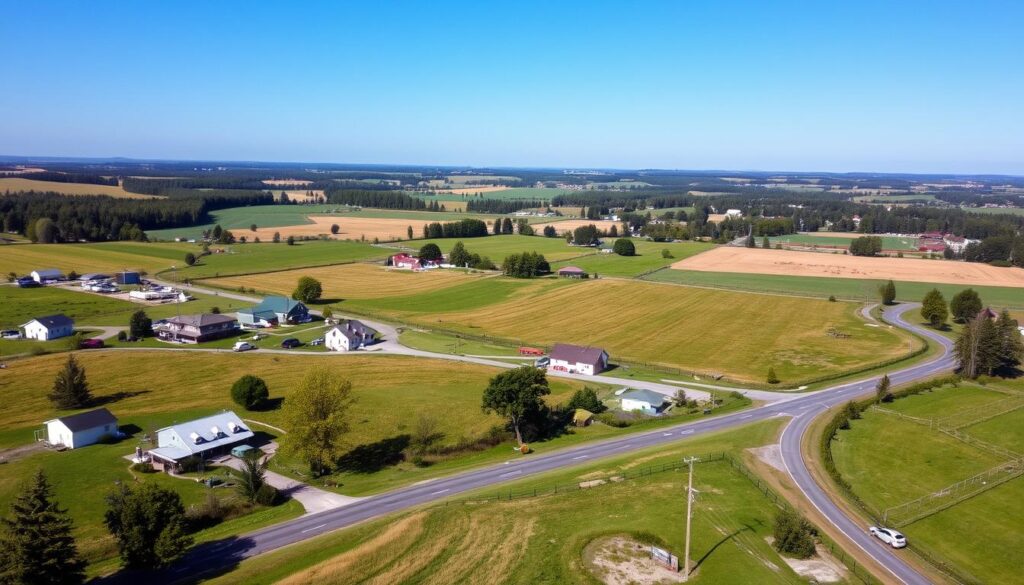
Steps to Determine Local Zoning Requirements
Understanding zoning ordinances is key for starting a home business in rural areas. To make sure your business fits the rural property zoning research, follow a few steps. Let’s look at how to figure out your local zoning needs.
Researching Local Regulations
Start by checking your local county or city online zoning resources. These sites have zoning maps and rules that show what’s allowed in each area. Learn about the different zones, like residential, commercial, or agricultural.
Consulting with Local Authorities
Talking to local planning and zoning officials is also important. They can give you specific advice on your business plans. They know about any special rules or exceptions that might apply.
Utilizing Online Resources
There are many online zoning resources to help you understand local rules. Websites like the American Planning Association or local business groups have guides and tools. They can help you understand zoning better.
Getting to know local zoning ordinances is vital for your rural home business’s success. By doing your research, talking to officials, and using online tools, you can handle this complex task with ease.
Applying for a Home Business Permit
Getting a home business permit in rural areas means knowing the different types and what documents you need. This step is key to make sure your business follows local zoning laws and regulations.
Understanding Permit Types
The permit you need depends on your business and how it might affect the area. You might need home business permits, rural home occupation licenses, or zoning permit applications. Each has its own rules and things to consider.
Gathering Required Documentation
When you apply for a permit, you need a solid application package. This includes a detailed business plan, drawings of your site, and proof you follow zoning rules. You’ll also need to talk about how your business might affect noise, traffic, and the look of the area.
| Required Documentation | Purpose |
|---|---|
| Detailed Business Plan | Outlines the scope, operations, and projected impact of your home-based business |
| Site Layout Drawings | Demonstrates the physical layout and utilization of your property for business activities |
| Proof of Zoning Compliance | Ensures your business operations align with local zoning laws and regulations |
Knowing about permit types and what documents you need helps you get a home business permit faster. It also boosts your chances of getting approval to run your rural home-based business legally and responsibly.

Common Challenges with Zoning Laws
Rural entrepreneurs often face hurdles when starting home-based businesses. Zoning laws can deny permits, cause ongoing issues, and spark public opposition. These challenges can slow down or stop the growth of these businesses.
Permit Denials
One big problem is when rural businesses get their permits denied. This usually happens because the business doesn’t fit with local zoning rules. Not having the right documents or not meeting local requirements can also lead to denials. This can really upset entrepreneurs and hold up their plans.
Non-compliance Issues
Even with permits, rural businesses must deal with zoning laws all the time. If they accidentally break a rule, like working too long hours or not following signage rules, they could face big fines or even have to close. It’s a big challenge to keep up with all these rules.
Public Opposition
Home-based businesses in rural areas might also face opposition from the community. Neighbors might worry about more traffic, noise, or changes to the area’s look. Winning over these concerns can be tough for entrepreneurs.
To beat these zoning law hurdles, rural business owners need to really know the local rules. They must prepare well and talk to the community. By tackling these issues head-on, they can succeed and help their communities grow economically.
| Zoning Law Challenge | Description | Potential Impact |
|---|---|---|
| Permit Denials | Incompatibility with existing zoning regulations or insufficient documentation | Prevents the establishment or expansion of rural home-based businesses |
| Non-compliance Issues | Inadvertent violations of zoning laws, such as exceeding operating hours or square footage | Leads to fines, penalties, or even the closure of the business |
| Public Opposition | Community concerns about increased traffic, noise, or changes to the rural character | Can delay or prevent the approval of rural home-based businesses |
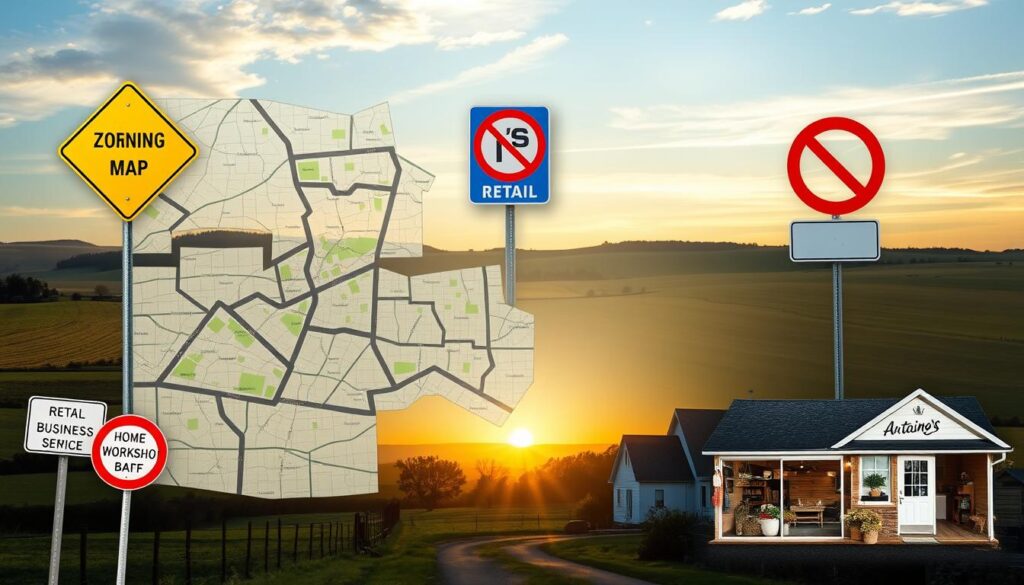
By knowing these common problems and tackling them, rural entrepreneurs can overcome zoning law challenges. This way, they can fully use the benefits of their home-based businesses.
Tips for Navigating Zoning Meetings
When you’re getting ready for zoning board meetings for your rural home business, being prepared is essential. A detailed presentation that tackles possible concerns can help a lot. Start by learning all about the local zoning laws and how your business fits into them.
Preparing Your Presentation
Make your presentation clear and show how your business will benefit the community. Also, talk about any possible downsides and how you’ll handle them. Use visual aids to show your plans and answer any zoning worries. Be ready to share specific details about your business, like your hours and how you’ll follow local rules.
Engaging with Local Officials
When you’re in front of the zoning board, be friendly and cooperative. Talk openly with local officials, answering their questions fully and fixing any worries they have. Show that you’re ready to work with the community and open to ideas that can make your proposal better.
Addressing Community Concerns
Rural areas often have a strong sense of community and might worry about changes. Be proactive in showing how your business will fit in and help the local economy. Think about hosting meetings or talking to important people to build trust and keep communication open.
With a solid presentation, respectful talks with officials, and tackling community worries, you can do well in zoning board meetings. This will help you get the approvals you need for your rural home business.
| Key Strategies for Navigating Zoning Meetings | Benefits |
|---|---|
| Comprehensive Presentation | Addresses possible worries and shows the good sides of your business |
| Respectful Talks with Officials | Helps in having a good conversation and shows you’re willing to work together |
| Proactive Community Outreach | Builds trust, tackles worries, and gets local support |
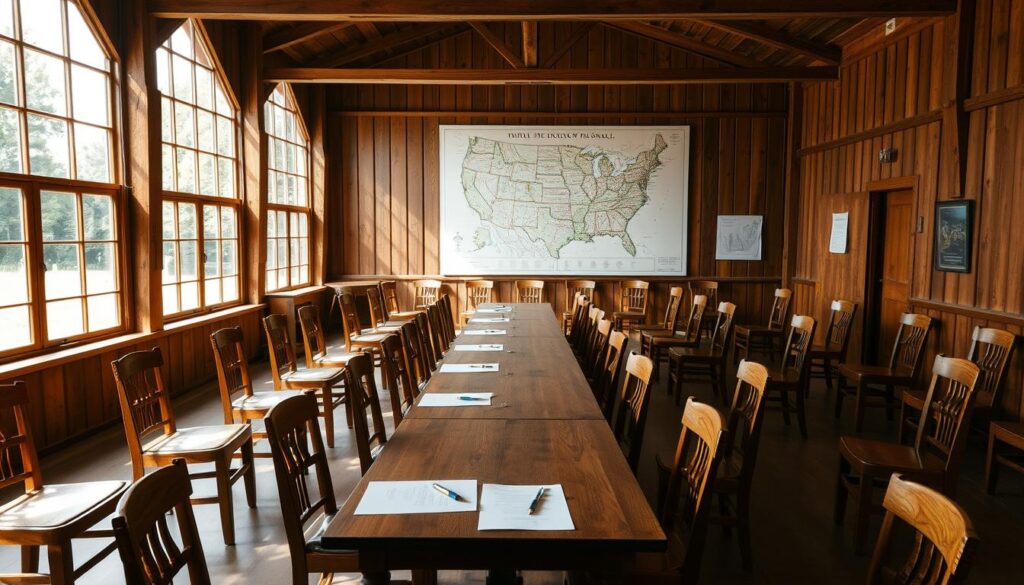
“Navigating the zoning process is a key step for a successful rural home business. With a smart plan, you can boost your chances of getting the approvals you need and start your business on a strong note.”
Adapting Your Business Plan to Zoning Regulations
Starting a rural home business means you must follow local zoning rules. You might need to change your business plan or find a new place that fits the rules.
Modifying Business Activities
To meet zoning laws, you might need to tweak your business. This could mean:
- Limiting client visits or adjusting operating hours to minimize impact on the surrounding neighborhood
- Altering signage or branding to meet local aesthetic requirements
- Scaling back the intensity of your business activities to match the zoning designation
By making these changes, you can make a business plan that works for both you and the community.
Identifying Alternative Locations
If your chosen spot doesn’t fit the zoning, look at other areas. You could check out nearby towns, counties, or parts of your own area. Or, you might ask for a special permit to use your original spot.
Being flexible and creative with your business plan is key. It helps your rural home business grow and succeed in the long run.
“Navigating zoning regulations is a key step for a thriving rural home business. By adapting your plan, you can find new chances and lay a solid base for your business.”
Resources for Assistance and Guidance
When dealing with zoning laws for your rural home business, many resources can help. You can find information on local government websites, connect with business groups, and use online legal tools. These can help you tackle any zoning problems.
Local Government Websites
Start with your local government’s website to learn about zoning laws. These sites have info on what you can do on your land, how to apply for permits, and who to contact. Make sure to check the zoning codes and rules for your area.
Business Organizations and Chambers of Commerce
Local business groups and chambers of commerce are great for help. They know the challenges of running a home business in the country. They can guide you on legal guidance for home businesses and help you meet local officials and people.
Online Legal Resources
For more detailed info on zoning laws, check out online legal sites. FindLaw and Nolo have lots of info on running a home business, including zoning assistance. They can help you understand the law better and find ways to solve zoning issues.
Getting help from local experts who know the area’s rural business resources and rules is key. Don’t be afraid to ask them for advice to make your home business successful and legal.
Staying Informed on Changes in Zoning Laws
As a rural business owner, it’s key to keep up with zoning law changes. These updates can greatly affect how you run your business. So, it’s important to watch for these changes. Joining local advocacy groups can also help you stay informed and share your concerns about zoning issues.
Monitoring Legislative Updates
Stay alert to legislative changes by checking your local government’s website often. Also, subscribe to newsletters or alerts. This way, you’ll know about any new zoning laws that might impact your business. Being ahead of these changes helps you adjust your business and stay compliant.
Joining Local Advocacy Groups
Getting involved with local advocacy groups is a smart move. These groups, like business associations or community development organizations, offer insights into zoning law changes. They help local businesses by giving a voice to stakeholders. By joining, you can network, share concerns, and work together to tackle zoning challenges.

Leave a Reply